Introduction
Knowing your current balance tells you how much money is available, but it does not explain how your spending habits are changing. You may be spending more because of new subscriptions, a higher bill, a one-off purchase or changes in how frequently you use a service. A month-on-month review helps you move beyond the total and understand what caused the difference. An increase is not automatically bad. The important thing is to understand the reason and decide whether it fits your priorities.
1. Compare similar periods
Use consistent periods, such as one full calendar month compared with the previous full calendar month. Comparing a partial month with a complete month can produce a misleading picture. Separate one-off transactions from recurring expenses and note unusual events that affected the period.
2. Look beyond the overall total
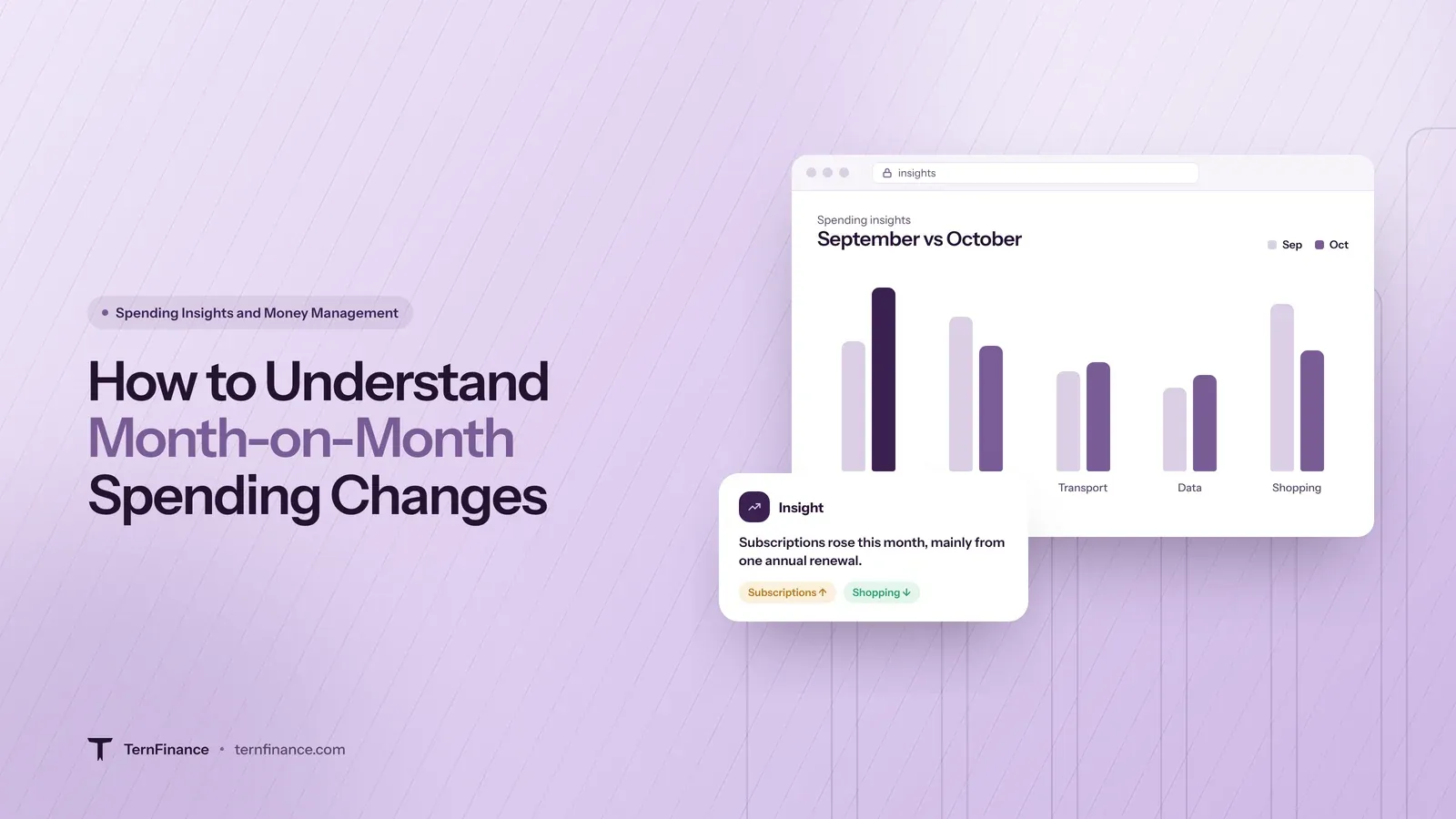
Break spending into useful categories where your records support that classification. Ask which categories increased, which decreased and whether there were new or unusually large transactions. The total is a starting point, not the full explanation.
3. Identify recurring expense changes
A new subscription, plan upgrade or price adjustment may change the monthly total. Review subscription charges and compare them with your list of active services. Look for annual renewals and duplicate services as well.
4. Consider currency movements
When a service bills in a foreign currency, the naira equivalent may differ between months. The underlying subscription price may be unchanged even when the local-currency cost moves. Keep the original currency and conversion information in mind when interpreting the difference.
5. Investigate unusual transactions
If an amount looks unfamiliar, review the merchant, date, amount and destination before drawing conclusions. Compare the transaction with receipts. If you do not recognise it, contact your financial provider through its official support channel.
6. Turn the review into an action
Insights are useful when they inform a decision. You might keep a service because it supports your work, cancel an unused subscription or adjust your budget for a recurring cost that has changed. Record the decision and review its effect next month. One useful starting point is keeping track of recurring digital expenses.
Separate changes in behaviour from changes in price
When monthly spending rises, first identify which transactions changed. A new purchase or additional subscription is different from a price increase on a service you already use. A foreign-currency charge can also change in naira terms even when the merchant's USD price remains the same. For transaction-level checks, reviewing fees, limits and destination details.
To understand the cause, compare the merchant, original currency, amount and date across both periods. If your records show only the naira amount, you may need the merchant receipt or transaction details to understand whether the original price changed or the conversion outcome moved.
Do not draw conclusions from a single category total. A category may rise because of one annual payment rather than a lasting change in your monthly behaviour. Add context before deciding what action to take.
Use questions to interpret the numbers
Ask what changed, when it changed and whether the change is likely to repeat. Was there a new subscription? Did an annual plan renew? Did you make a one-off purchase? Did a service change its price? Did the currency conversion produce a different local-currency amount?
Then ask whether the change was expected and whether it supports your priorities. Spending more on a professional tool may be reasonable if it supports paid work. Spending more on a service you no longer use may be a reason to cancel or downgrade it.
Look at both increases and decreases. A lower total may reflect a successful cancellation, but it could also mean a payment failed or a bill has not yet been processed. Check the underlying transactions before assuming that a lower figure is always positive.
Create a small action plan from each review
End the review with one or two decisions rather than a long list of vague intentions. For example, you might review a subscription before its next renewal, adjust a monthly budget category or investigate an unfamiliar transaction. Give each action a date and check whether it was completed. A repeatable way to review subscriptions is a monthly review for digital subscriptions and online tools.
Tern Finance Intelligence is designed to help users understand spending activity and month-on-month movements in plain language. To see how recurring payments contribute to changes, read how to keep track of recurring digital expenses and use a simple monthly review for digital subscriptions and online tools as a repeatable checklist.
Conclusion
Month-on-month spending comparisons can help you understand what changed, why it changed and whether you want to do anything about it. Tern Finance Intelligence is designed to explain spending activity in plain language and help users understand month-on-month movements, making financial information easier to interpret.