Introduction
Freelancers often rely on digital tools to find clients, communicate, deliver projects and manage their work. These may include design platforms, cloud storage, video meetings, productivity software, learning services and paid subscriptions. Many expenses renew automatically or charge in foreign currencies. Without a simple system, it can be difficult to know what is due, what is essential and how much your digital setup costs each month.
1. List the tools that support your work
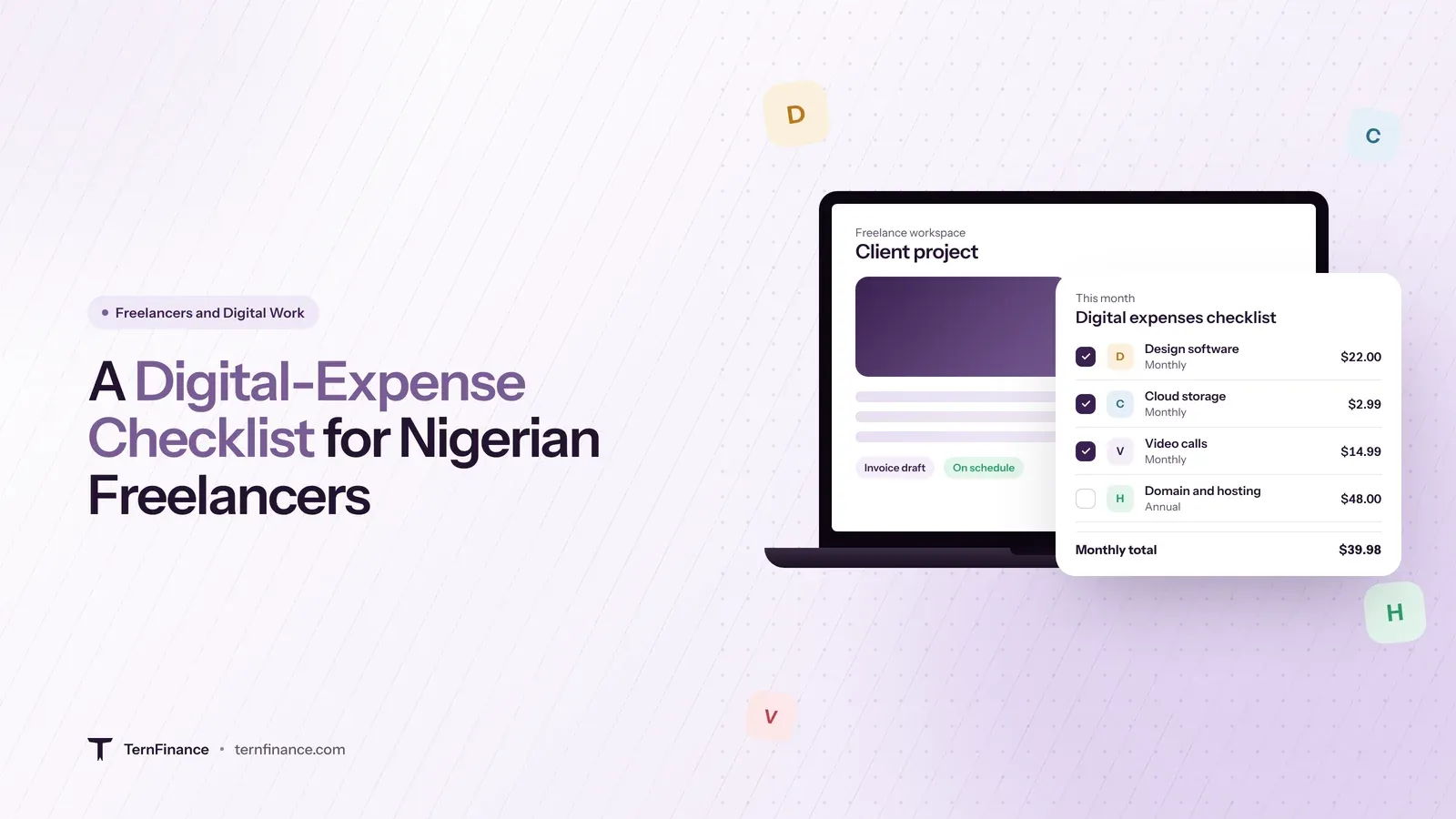
List every paid digital service you use for client work or administration. Separate essential tools from services that are useful but not required for every project. Include communication, design, editing, productivity, storage, hosting and learning services.
2. Record subscription and renewal details
For each service, record the plan, price, billing currency and renewal date. Include annual plans because they can create a larger one-off expense even when the annual cost is lower than paying monthly. Note the payment method and next renewal.
3. Separate work expenses from personal subscriptions
Distinguish professional tools from personal digital spending. Mark services shared between work and personal use, and record expenses reimbursed by clients separately. This makes it easier to understand the cost of running your freelance work. To identify changes in software and service costs, understanding month-on-month spending changes.
4. Plan for foreign-currency payments
If a tool bills in USD or another foreign currency, the naira equivalent may change over time. Check the rate and fees when converting or funding the payment method. Build flexibility into your monthly expense plan rather than assuming the naira cost will never change. These checks can become a repeatable routine through a monthly review for digital subscriptions and online tools.
5. Review card balance, limits and acceptance
A virtual USD card may be useful for eligible international online payments, but check the merchant's rules first. Confirm that the card is active, has sufficient balance and is within applicable limits. Some merchants may not accept every card type or recurring payment. When paying for online tools, what to check before using a virtual USD card.
6. Review the value of every tool
At the end of each month, ask whether each paid service helped you deliver work, save time or improve your output. Cancel or change plans for services that no longer justify their cost, following the provider's cancellation process.
Build a freelancer expense register
A useful register does not need to be complicated. Create columns for the service, business purpose, plan, amount, billing currency, payment frequency, renewal date, payment method and whether the cost is reimbursed by a client. Add a note about the project or workflow that depends on the tool.
This gives you a clearer view of the cost of maintaining your digital work setup. It can also help when pricing projects. If a particular service is necessary to deliver client work, you can understand that cost when deciding how to quote or plan your workload.
Keep receipts and invoices where appropriate. A consistent record makes it easier to reconcile expenses and understand which tools are creating value for your work.
Plan for uneven freelance income
Freelance income may not arrive on the same date every month, but subscriptions often follow fixed billing cycles. Map renewal dates against expected client payments and keep essential services visible. Where possible, avoid leaving critical work tools until the day of renewal before checking the payment method.
Separate essential tools from optional services. Essential tools may include the software, storage or communication services needed to complete active client work. Optional tools may be useful but can be reviewed when cash flow is tight. This distinction supports better decisions without cancelling tools indiscriminately.
If a tool has an annual plan, compare the total annual commitment with the monthly alternative and consider whether the upfront payment suits your cash flow. Do not choose an annual plan based only on the apparent discount.
Review the cost of your digital stack
At the end of each month, calculate the total cost of your paid digital tools. Look for duplicate subscriptions, unused services and plans that have grown beyond what you need. Check whether the same expense is being paid personally and reimbursed by a client, so that your records remain clear.
Freelancers who pay for international services may also find it useful to read how to keep track of recurring digital expenses and how to prepare for international subscription renewals in Nigeria. Those guides provide a repeatable approach to renewal tracking and payment preparation. Freelancers can also benefit from keeping track of recurring digital expenses.
Conclusion
Freelance income can vary, but recurring digital expenses still need attention. A clear checklist helps you plan for renewals, understand currency costs and keep track of the tools that support your work. Tern Finance helps individuals manage money across Naira and USD, with multi-currency wallets, virtual USD cards and spending insights.